Stamped Concrete Help for Your Patio or Walkway
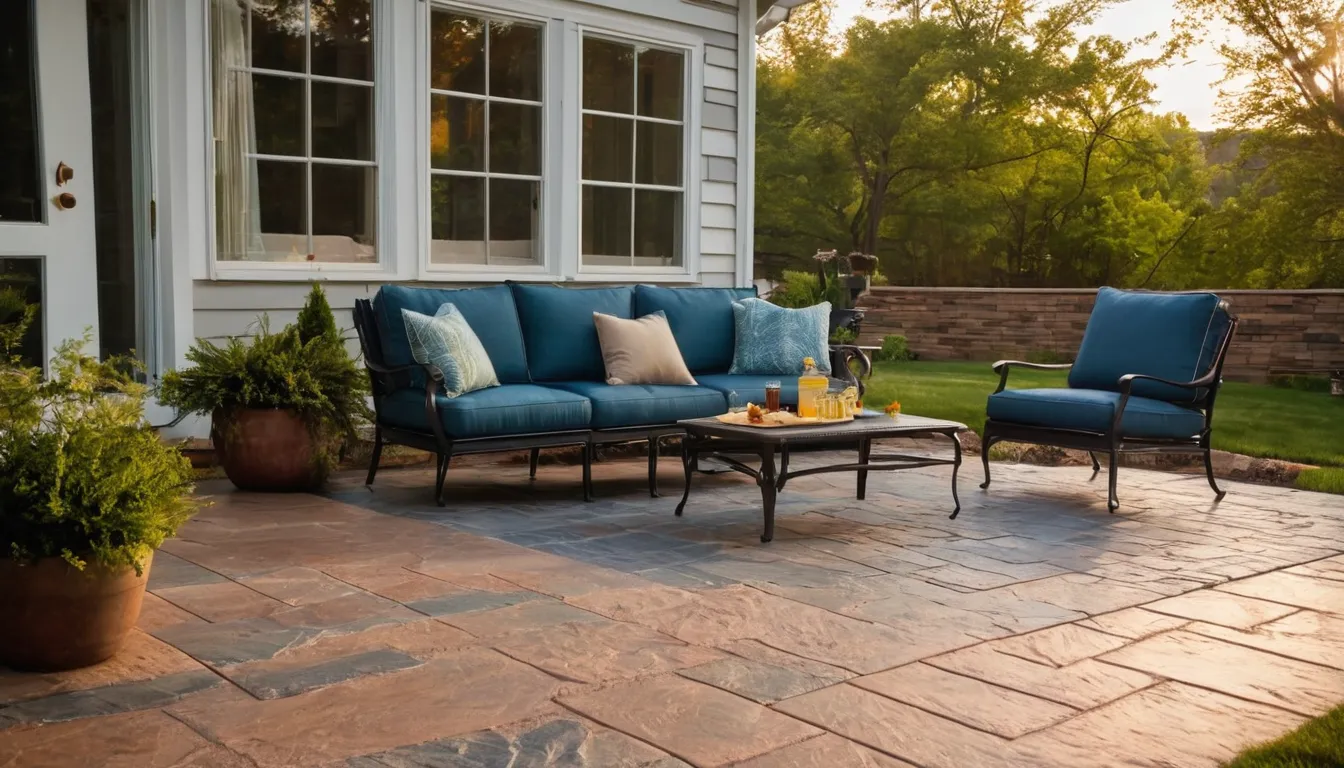
Stamped concrete gives a poured slab the look of stone, brick or wood, without all the joints. It is a popular choice for patios, walkways and pool decks, and it can suit older homes well when the colors stay calm. The pattern is pressed in while the concrete is still soft, so timing matters as much as skill.
Nomerecopyright Concrete is a referral service. It does not pour or stamp anything itself. It connects homeowners in the Scandia area with independent local providers who do the work. A good first step is to talk through your yard, the age of your house and the season you hope to build in. Providers can explain what they would check first, from drainage to old patches, so the plan fits your ground and your weather.
Start With the Season
Stamped concrete is fussy about weather. Think of baking bread: too cold and it will not rise, too hot and the crust sets before you are ready. Fresh concrete works the same way. In cold winters with deep frost, most providers pause pouring. In hot, humid summers, the top can stiffen before the patterns press in cleanly.
Pour with the season. Spring and early fall often bring calmer days, yet spring flooding and sudden thunderstorms can still interrupt a pour. Booking early gives a provider room to wait for a good day. Request a callback to check provider availability for your window.
Know the Ground
Concrete is only as steady as what sits under it. A stamped surface over soft soil is like a fancy tablecloth on a wobbly table. It looks fine until something shifts. Providers usually look at drainage, soil and base before they talk about patterns.
Old House, Slow Look
Older homes hold surprises. You may find buried slabs, patched walks, loose fill or forgotten drain lines. Frame houses and bungalows from many decades ago have often settled in uneven ways. A patient provider walks the yard first and asks what was done there before.
When the Foundation Comes First
Stair-step cracks in a basement wall, or a sump pump that never rests, are signs to slow down. Foundation repair experts look at walls and footings. Stamped concrete providers handle flatwork. Sorting out the first job before the second keeps a new patio from being torn up later.
How Stamped Concrete Is Made
Picture rolling out cookie dough and pressing a cutter into it. Stamping follows the same idea, only with concrete and much tighter timing.
Base and Pour
The provider removes old material if needed, packs a gravel base, sets forms and pours the slab. Reinforcement is often added so the slab holds together as the ground moves with frost and moisture.
Color and Texture
Color is mixed into the concrete, dusted on top, or both. A release powder keeps the mats from sticking. The crew presses the mats into the surface while it is still soft enough to take the pattern.
Cutting and Sealing
Once the surface firms up, joints are cut so cracks have a planned place to form. After the slab cures, a sealer goes on to protect the color and make cleaning easier.
Patterns and Colors
Choosing a pattern is like choosing a rug. It sets the mood of the whole space. Popular looks copy slate, flagstone, brick, wood planks and cobblestone. Colors range from warm tans and soft grays to deep browns and charcoal.
For an older house, quieter choices tend to sit well. A muted brick tone or gray slate can echo original trim, porch steps or an old chimney. Ask to see sample boards in daylight, since color shifts with the light.
Where Stamped Concrete Works Well
Stamped concrete patios are the most common choice. This kind of concrete flatwork also suits walkways, pool decks, porch landings and driveway borders. Think of it as a sturdy outdoor rug, made for places where people walk and sit.
It is a weaker fit for steep slopes or spots where water stands. In rainy spring weather, a textured surface can feel slick, so many providers add a slip-resistant sealer.
Stamped Concrete or Pavers?
Pavers are like a floor of tiles. Each piece can be lifted and replaced, but joints can shift or grow weeds. Stamped concrete is more like one large sheet. It has fewer joints, though a crack can stand out more.
With deep frost, both can move. Pavers flex more easily, while a slab needs good base work and control joints. Neither is wrong. It comes down to your soil, your budget and how you feel about future repairs.
How Long the Job Takes
Think of a slow-cooked meal. The hands-on part is short and the waiting is long. Prep and forming may take a few days. The pour and stamping usually happen in one working day. Curing takes longer, with light foot traffic often waiting several days and heavy items waiting a week or more. Rain, heat or cold can shift the dates.
Caring for Stamped Concrete
Like a wood deck, stamped concrete needs a little upkeep to keep its good looks.
Sealing and Cleaning
Most sealers need renewing every few years, depending on sun and wear. Sweep often and rinse with mild soap. Hard scraping and harsh chemicals can dull the finish.
Winter Care
Ask the provider which de-icers are safe for your sealer. Some salts can harm the surface, especially in the first winter. A plastic shovel blade is gentler than metal.
Choosing a Stamped Concrete Provider
Picking a provider is like picking a tailor. You want to see earlier work, not just hear promises. Providers in our network are independent, so each sets its own methods, schedule and terms.
Questions Worth Asking
- How will you handle drainage near my foundation?
- What base and reinforcement do you plan for my soil?
- Where will joints go, and why there?
- Which sealer do you use, and how often should it be redone?
- Can I see a finished job that is a few years old?
Get the answers in a written quote. If your real need is concrete driveway repair on an old slab, say so up front, because that is a different kind of job.
Ready to Talk It Through?
A short conversation can sort out timing, ground and style. Request a callback to ask about providers who handle stamped work near you, or send an estimate request with no obligation.
What's Included
Site Review
A provider looks at drainage, soil and any old slabs before suggesting a pattern.
Forming and Base Work
Gravel base, forms and reinforcement are set so the new slab sits steady through frost.
Pour and Stamp
Color is added and the pattern is pressed in while the concrete is still workable.
Joints and Sealing
Control joints are cut and a sealer is applied once the slab has cured.
Typical Stamped Concrete Costs
These are typical U.S. ranges for new work. Prices vary with size, pattern, soil, access and season, so ask each provider for a written quote that lists what is included.
| Item | Typical range | Notes |
|---|---|---|
| Basic stamped patio, per sq ft | $12 – $20 | One color, simple pattern |
| Detailed pattern and color work, per sq ft | $15 – $30 | Two-tone color adds labor |
| Typical 400 sq ft patio, total | $5,000 – $11,000 | Depends on prep and design |
| Stamped walkway, per sq ft | $10 – $20 | Narrow jobs can cost more per foot |
| Old slab removal, per sq ft | $2 – $6 | Common on older properties |
| Sealer, per sq ft | $1 – $3 | Needs renewing every few years |
How It Works
Share Your Plans
Tell us the size, the look you like, and the age and layout of your home.
Get Matched Locally
Your request goes to independent providers in our network who handle stamped work.
Compare Written Quotes
Review base work, pattern, sealer and timing side by side before you decide.
Schedule With the Season
Pick a pour window that suits the weather and your calendar.
Why Call Nomerecopyright Concrete
Providers Know the Area
Independent local providers understand frost depth, storm patterns and the soils nearby.
Older Homes
Referrals lean toward providers who take a slow look at aging yards.
Season Planning
Talk about timing early so the pour lands in workable weather.
No Pressure
Request an estimate with no obligation and compare providers at your pace.
Other Services
Need stamped concrete help in Scandia?
Planning a new driveway or patio? Call or send a request through the form, and Nomerecopyright Concrete will point you toward a local provider in our network.
No obligationStamped Concrete Help FAQ
How long does stamped concrete last?
With a ssound base, good joints and regular resealing, stamped concrete can last for many years. Frost, salt and poor drainage shorten its life, so ask the provider how they plan for your soil.
Can stamped concrete be poured in cold weather?
Deep frost makes pouring risky, since cold slows curing and can harm the surface. Many providers wait for milder weather or use special methods. Ask any provider how they handle temperature before you book, and get the plan in writing.
Is stamped concrete a good choice for an older home?
Often, yes. Calm colors and classic patterns can match older trim and brick. The key is checking the ground first for old slabs, patches and drainage, which a patient provider will walk through.
Request a callback
Planning a new driveway or patio? Call or send a request through the form, and Nomerecopyright Concrete will point you toward a local provider in our network.
No obligation