New Concrete Driveways for Homes in Scandia
A driveway carries your car, your snow shovel and years of weather. In an older home, the slab may be thin, patched many times, or sitting on soil that has shifted. When patching stops working, a new concrete driveway is often the next step.
Nomerecopyright Concrete is a referral service for homeowners in the Scandia area. We connect you with independent local providers who pour concrete flatwork, and the provider does the work. Here you can learn the warning signs, the steps in a typical project, and the questions to ask. Then you can request an estimate when you feel ready.
Is it time for a new concrete driveway?
A driveway is a bit like a favorite pair of work boots. You can patch the sole a few times, but one day the boot has done its job. Most concrete driveways last for decades, yet frost, road salt, heavy trucks and plain age all wear them down.
This page explains how to tell when a slab is finished, what a new project includes, and how to plan it around the weather. Nomerecopyright Concrete is a referral service, so the independent providers in our network do the pouring, not Nomerecopyright Concrete.
Signs the slab is finished
One small crack is normal. A pattern of trouble is different. Watch for these:
- Cracks wider than a pencil, or cracks that run the full width of the slab
- Sections that have sunk, tilted or lifted at the edges
- A surface that flakes or peels in thin layers
- Puddles that stay long after the rain has stopped
- Crumbling edges and corners near the garage or street
- Old patches that now have their own cracks
Repair or replace?
Think of a chipped coffee mug. You can live with a chip, but not with a mug that leaks. Concrete driveway repair makes sense when the damage is small and the slab underneath is still solid. Replacement makes sense when the slab is moving, breaking apart or too thin to carry your vehicles.
A provider can look at the whole driveway and tell you which path fits. Ask for both options in writing so you can compare them calmly.
Old house, slow look
An older property is like a recipe card with notes in the margins. Past owners changed things, and not every change was written down. Slabs poured decades ago are often thinner than today's, may have no steel reinforcement, and may sit on a thin layer of gravel or none at all.
A careful provider checks for surprises before the old slab comes out. These can include:
- Earlier patch jobs hiding deeper cracks
- Buried downspout lines or sump pump discharge pipes
- Old utility lines or forgotten drains
- A slope that sends water toward the house
If water is running toward the walls, the provider may suggest talking with foundation repair experts before the new slab goes in. Fixing the slope and the foundation questions first protects the new concrete.
Know the ground
Soil works like a sponge. In cold winters with deep frost, the water in it expands, pushes up, then drops back when it thaws. Spring flooding can wash fine material out from under a slab and leave gaps. A new driveway performs well on a base of compacted stone that drains well.
This base step is easy to skip and hard to fix later. Ask every provider how they prepare the ground.
What a new driveway project includes
The exact steps vary by provider and by site. Most concrete flatwork projects follow this path:
- A walk-through to measure, check the slope and note trouble spots
- Removal and haul-off of the old slab
- Grading and compacting the stone base
- Setting wooden forms and, where needed, steel reinforcement
- Pouring, leveling and finishing the concrete
- Cutting joints so the slab can crack in neat lines
- Curing, cleanup and a final walk-through
Choosing size, thickness and finish
Thickness is like the plank you lay across a ditch. A thin board holds a cat, but you need a thick one for a person with a wheelbarrow. Many driveways for cars are about four inches thick, while heavier trucks or delivery vehicles may call for five or six inches.
Width matters too. A single lane is often around ten feet, and a two-car driveway is often eighteen to twenty-four feet. For the finish, a broom texture gives grip when it is icy. Exposed aggregate and light patterns look nicer but cost more. Ask about a mix made for repeated frost and thaw.
Pour with the season
Concrete is like bread dough. Too cold and it sets slowly and weakly. Too hot and humid and it sets before anyone can finish it. Mild weather in spring and fall is often easiest, though spring rain and flooding can delay a job.
Summer brings heat and sudden thunderstorms, and hail can mark a fresh surface. In winter, providers may use blankets or heated mixes, or they may simply wait. Book early for the months you want, and request a callback to check provider availability.
Permits and the street apron
The apron is the strip where your driveway meets the street or sidewalk. It sits partly on public land, like a shared hallway in an apartment building, so the city may set its own rules for it. Some places require a permit, a set thickness or an inspection.
Providers often know the local routine, but you should confirm requirements with your local building office. Ask who will apply for any permit and when the work can begin.
Choosing a concrete provider
Picking a provider is like checking a map before a road trip. A few minutes up front saves a lot of wrong turns. Ask each one for a written quote, a clear scope of work and proof of any insurance or license your area requires. Photos of similar past jobs are also helpful.
Keep in mind that Nomerecopyright Concrete only makes the introduction. You choose the provider, review the quote and make the final decision.
Questions worth asking
- How will you prepare and compact the base?
- What thickness, mix and reinforcement do you plan to use?
- How will you handle drainage and the slope?
- What happens if you find something unexpected under the old slab?
- How long before I can walk and drive on it?
After the pour
Fresh concrete is like a loaf cooling on the counter. It looks done, but it is still firming up inside. Keep feet and pets off for the first day or two, and keep vehicles off until the provider says it is safe, often about a week.
Go easy on de-icing salt the first winter. Ask about sealing and about sealing the joints. Rinse off the surface when the weather turns and watch for new low spots where water gathers.
Ready to plan your driveway?
Take your time, gather a few quotes and think about the season. Your older home has been standing a long while, and a patient start helps the new driveway last just as long.
What's Included
Slab and slope walk-through
The provider measures the area, checks the grade and looks for patches or cracks that point to deeper trouble.
Old slab removal
The worn concrete is broken up and hauled away so the ground underneath can be checked.
Base and forms
Stone is graded and compacted, then forms are set to shape the new edges.
Pour, finish and cure
Concrete is placed, textured and jointed, then protected while it hardens slowly.
What a new driveway may cost
Prices vary a lot with size, soil, access and local rules. These are typical U.S. ranges, so always get a written quote for your own driveway.
| Item | Typical range | Notes |
|---|---|---|
| Plain broom-finish concrete | $6 – $12 per sq ft | Common choice for most homes |
| Two-car driveway, complete | $4,000 – $9,000 | Roughly 400 to 700 sq ft |
| Old slab removal and haul-off | $1 – $3 per sq ft | Higher for thick or reinforced slabs |
| Base prep and grading | $1 – $3 per sq ft | Rises with poor or soft soil |
| Exposed aggregate or decorative finish | $10 – $18 per sq ft | Adds labor and material |
| Permit and street apron work | $100 – $1,500 | Depends on local rules |
How It Works
Tell us about it
Request a callback or send the request form with your address, driveway size and any problems you see.
Get matched with a provider
A local provider in our network reaches out to talk about your driveway and timing.
Review the written quote
The provider looks at the site and gives a quote listing scope, materials and schedule.
Choose and schedule the pour
You pick the provider, agree on a season and date, and the provider does the work.
Why Call Nomerecopyright Concrete
Patience with older homes
Providers in our network know that aging slabs and past patches need a slow, careful look first.
Seasonal timing
Frost, heat and storms shape when concrete should go down, and providers plan around them.
Local providers
You are introduced to independent providers who work near you and know area soil and codes.
No pressure
Request an estimate, compare quotes and decide when you are ready, with no obligation.
Other Services
Need concrete driveways in Scandia?
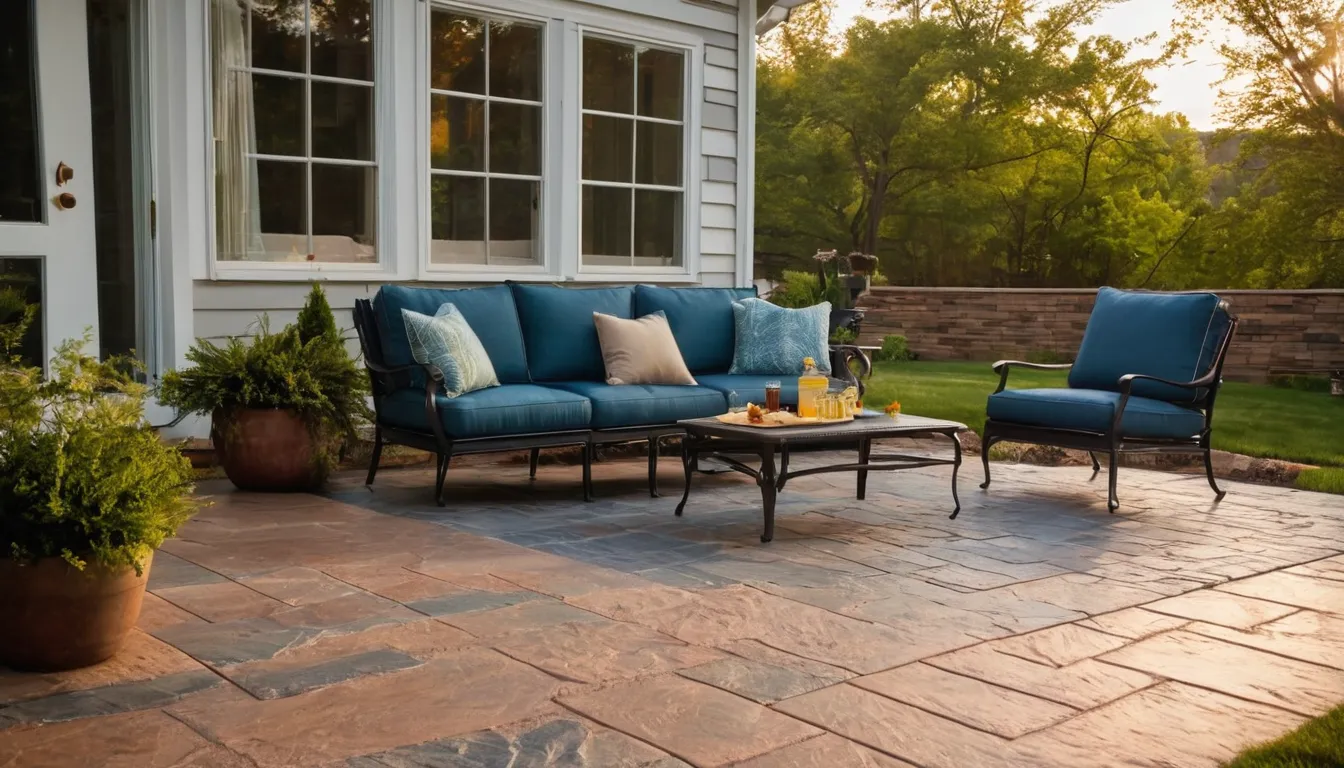
Planning a new driveway or patio? Call or send a request through the form, and Nomerecopyright Concrete will point you toward a local provider in our network.
No obligationConcrete Driveways FAQ
How much does a new concrete driveway cost?
Many homeowners see about $6 to $12 per square foot for plain concrete, which often lands between $4,000 and $9,000 for a two-car driveway. Soil, removal, drainage and finish change the price, so get a written quote.
What time of year is good for pouring a concrete driveway?
Mild weather in spring and fall is often easiest for concrete. Deep frost, summer heat and storms can all cause trouble, so ask providers how they protect the pour and which months they schedule.
How long before I can drive on a new concrete driveway?
Many providers ask you to stay off with cars for about a week, and longer in cool weather. Foot traffic comes sooner. Follow your provider's advice, because curing time depends on the mix and temperature.
Request a callback
Planning a new driveway or patio? Call or send a request through the form, and Nomerecopyright Concrete will point you toward a local provider in our network.
No obligation